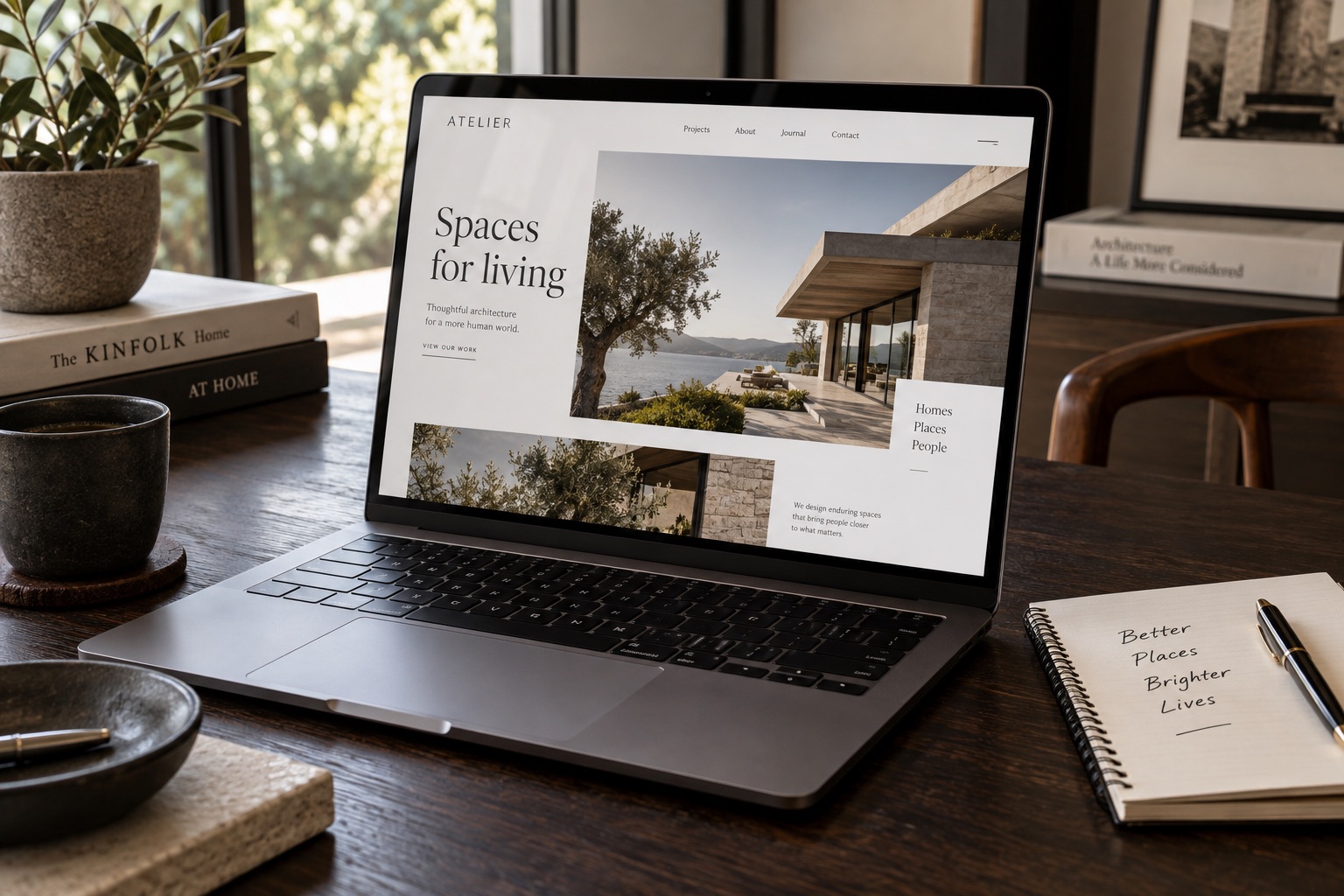
Branding is more than a logo
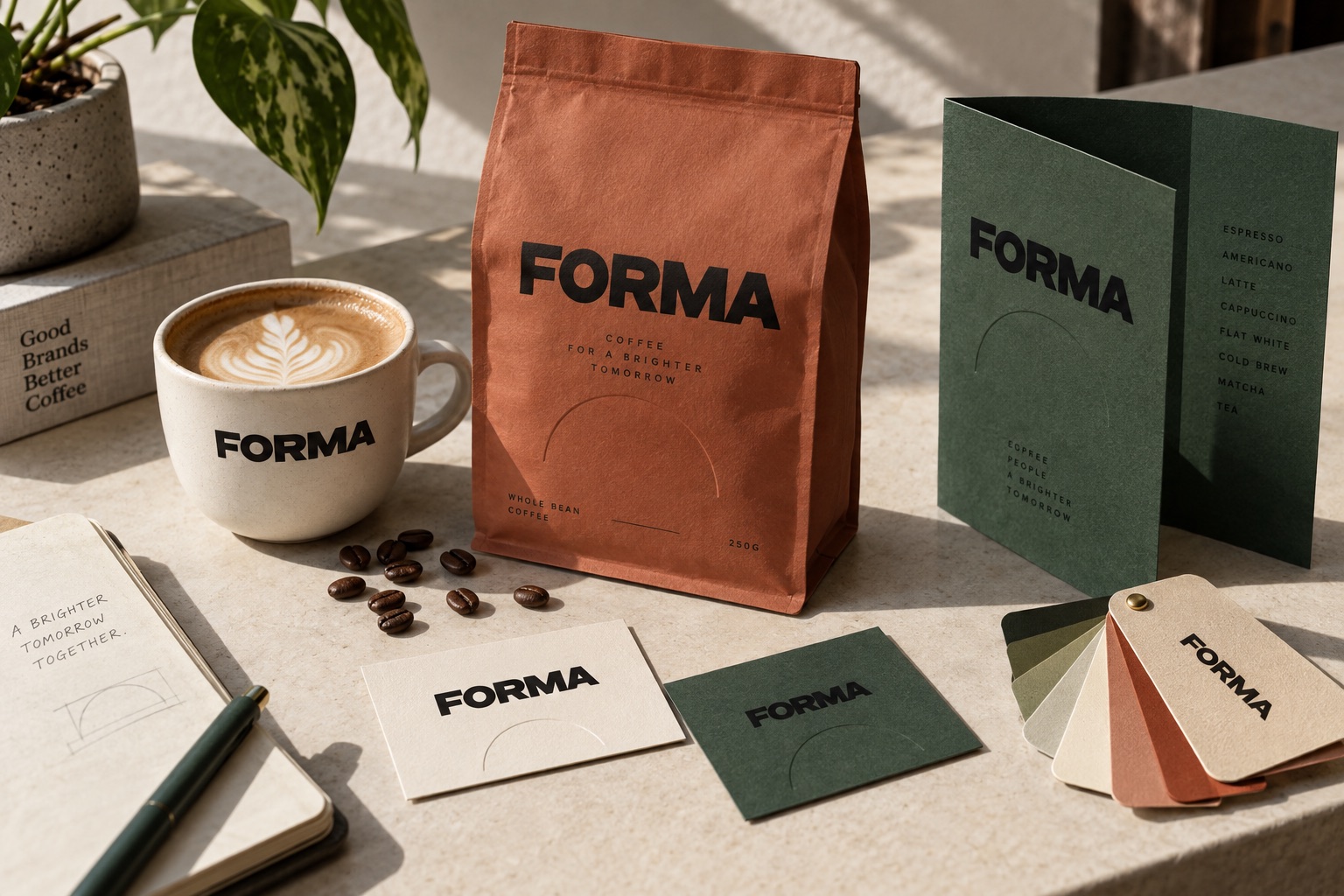
A logo is a visible part of a brand, but it cannot do all the work. If the website has one personality, social media another and your proposals a third, customers encounter different messages about the same company.
A visual identity is not a collection of attractive pieces. It is a system that makes the same business recognisable in different settings.
Branding, visual identity and logos are different
Branding is the work of defining and developing a brand: what it stands for, who it serves, how it positions itself and how it relates to people. That includes language, behaviour and experience, not just design.
Visual identity translates some of those decisions into graphic elements: a logo, colours, typography, composition, photography and other assets. The logo identifies the business; the visual system supports consistent communication. The three concepts are connected, but their scope is different.
Ask the right questions before choosing colours
Start by understanding the business. What problem does it solve? Which customers does it want to attract? How is it different from the alternatives? What do people already recognise it for? Without those answers, it is easy to pick a visual direction simply because it is fashionable.
Gather existing communication, customer questions and examples of where the identity will be used. A business built around commercial proposals has different needs from a restaurant with menus, packaging and a daily social presence. The system should grow from those real uses.
What a visual identity should include
A colour palette needs a hierarchy: primary and secondary colours, plus combinations that work together. A list of colour codes is not enough. Show how colours behave in backgrounds, body text, calls to action and printed materials.
Typography needs clear roles, too. Define headings, body copy and supporting information, taking legibility and font licences into account. Test the logo at small sizes, on light and dark backgrounds, and in a single colour. These decisions prevent guesswork when the brand moves from a presentation into daily use.
- A primary logo and versions suited to the required formats.
- Colour specifications and examples of approved combinations.
- A type hierarchy and clear information about font licensing.
- Direction for photography, composition and graphic elements.
- Priority applications and a practical guide the team can use.
Test the identity where it will actually live
Include relevant applications in the presentation. For a restaurant, a menu, a shopfront and a social post can reveal problems that are invisible in an isolated logo. For a service business, a proposal, email signature and website homepage might be more useful.
These applications are not simply decorative mockups. They test whether the system works with real information, different formats and production constraints. Ask someone who was not involved in the project to create a piece using the guide. If they need to invent basic rules, the system needs more work.
Keep the identity consistent after handover
Organise final files and distinguish print from digital versions. Provide editable templates for recurring tasks when they are part of the agreed scope, and clarify what can be changed. This reduces the risk of each team creating its own version of the brand.
Consistency does not mean repeating one layout forever. It means keeping recognisable characteristics as the content changes. Your identity should support your website, social media and commercial communication without making every piece identical.
When comparing branding proposals, look for clarity about research, deliverables, revisions and implementation. A logo-only package is not equivalent to a project covering strategy, a visual system and applications. Choose around the business need, not simply the number of files promised.
Frequently asked questions
Can we improve the identity without changing the logo?
Yes. If the logo still fits the business, the work can focus on colour, typography, composition and applications. First, assess what already works and where the communication lacks consistency.
Does a small business need brand guidelines?
The guide can be simple and proportionate. A short document covering logo versions, colours, fonts and practical examples already helps your team and suppliers work consistently.
Put it into practice.
We help turn these ideas into websites, content and campaigns that work for your business.
Explore our branding and design service View our branding portfolio Get in touch